
Verified Glendale High-Rise Hero Photo Pending

High Rise Window Cleaning: Glendale Office, Residential & Mixed-Use Buildings

Window cleaning planning for Downtown Glendale office and mixed-use buildings. We're reviewing high-rise availability in Glendale; send your building details and we'll confirm availability before quoting.

Request a High-Rise Review in Glendale
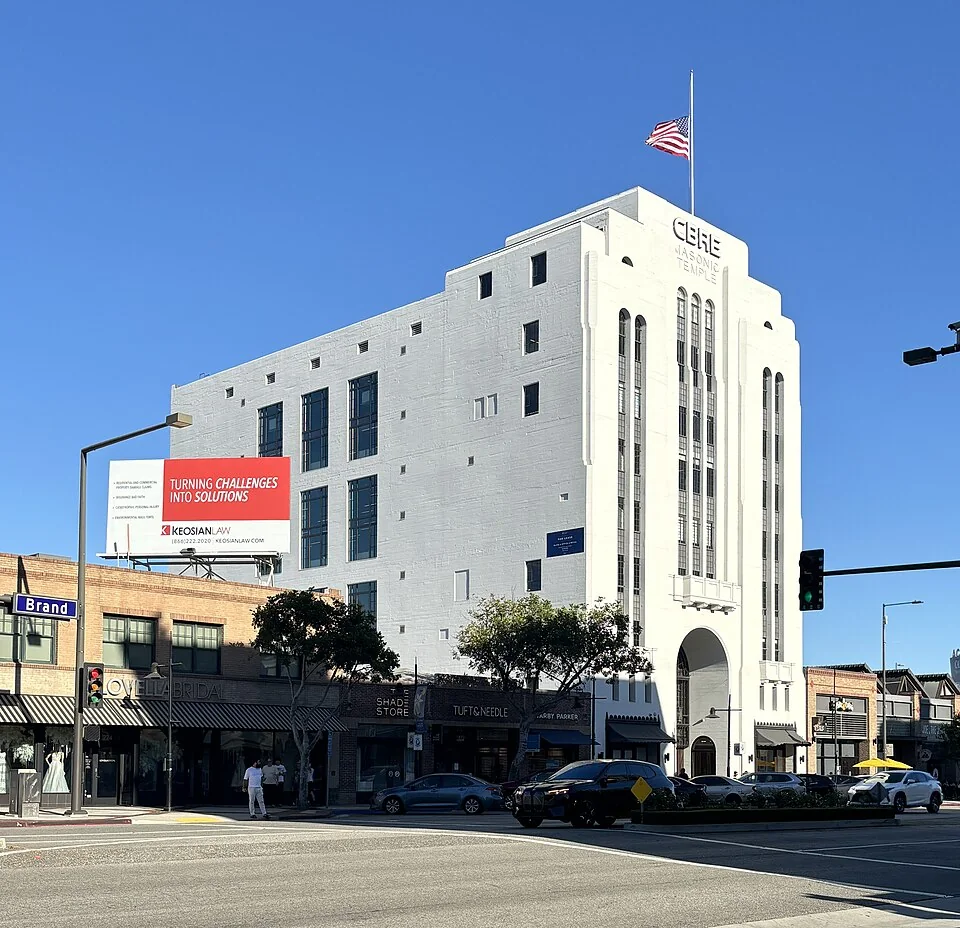
White downtown Glendale commercial building with vertical window bays, rooftop equipment and storefronts.

Planning Window Cleaning For Glendale Buildings

Glendale's Downtown Specific Plan guides a mixed-use urban center around Brand Boulevard and the Town Center, combining offices, housing, retail and entertainment within walking distance. Mixed-use buildings often need cleaning scheduled around retail hours and residents as well as office tenants. Share the address, stories and equipment on the roof, and we'll review access and a schedule that fits the building's uses.

Request a High-Rise Review
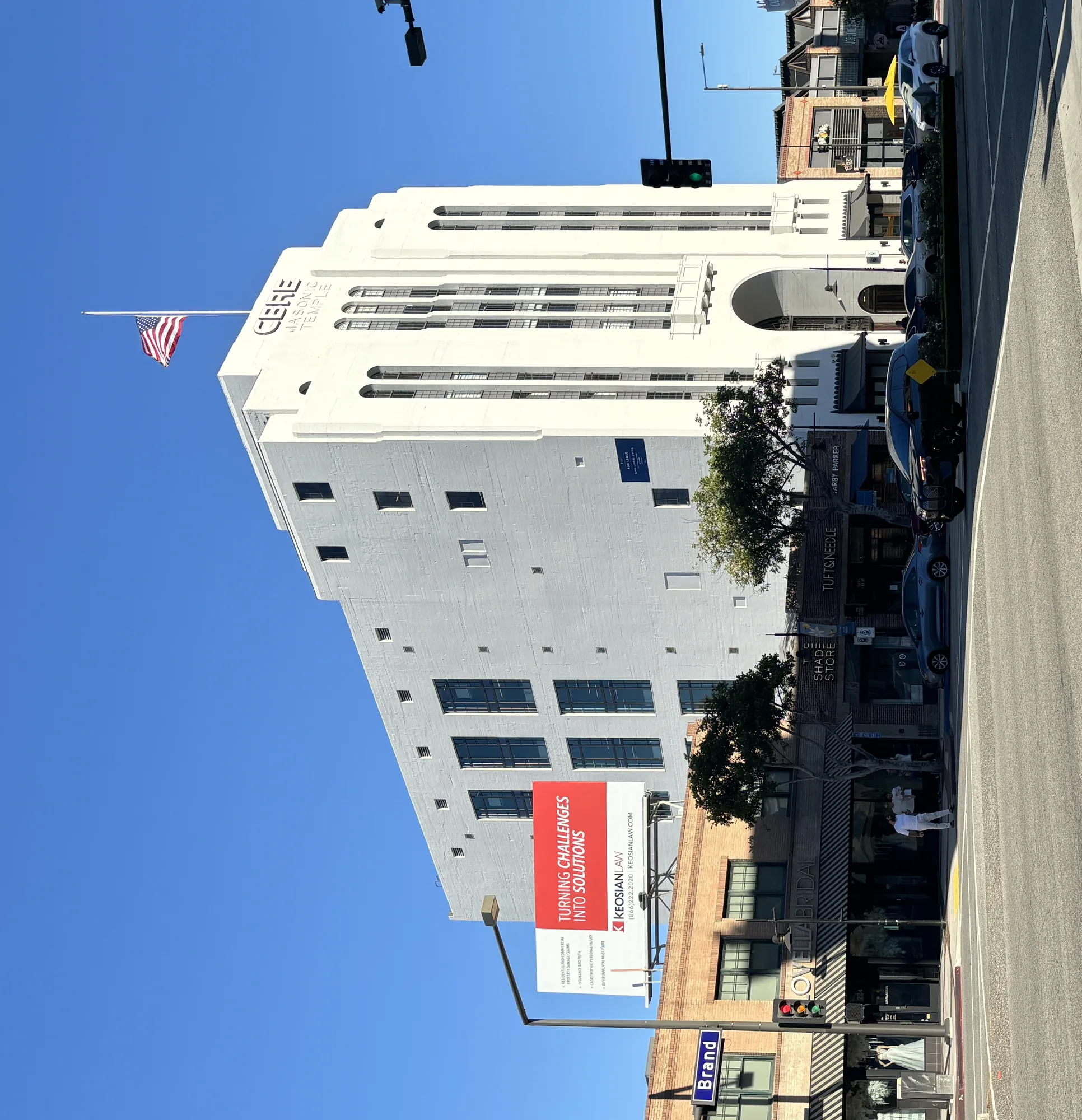
White Art Deco CBRE Masonic Temple high-rise with dark window bays on Brand Boulevard in Glendale, California.

Choosing The Access Method

Rope descent, suspended platform, building maintenance unit, lift or water-fed pole — chosen based on the building's design and installed equipment. Many buildings combine lower floors reachable by lift or pole with upper floors that need suspended access.

Request a High-Rise Review
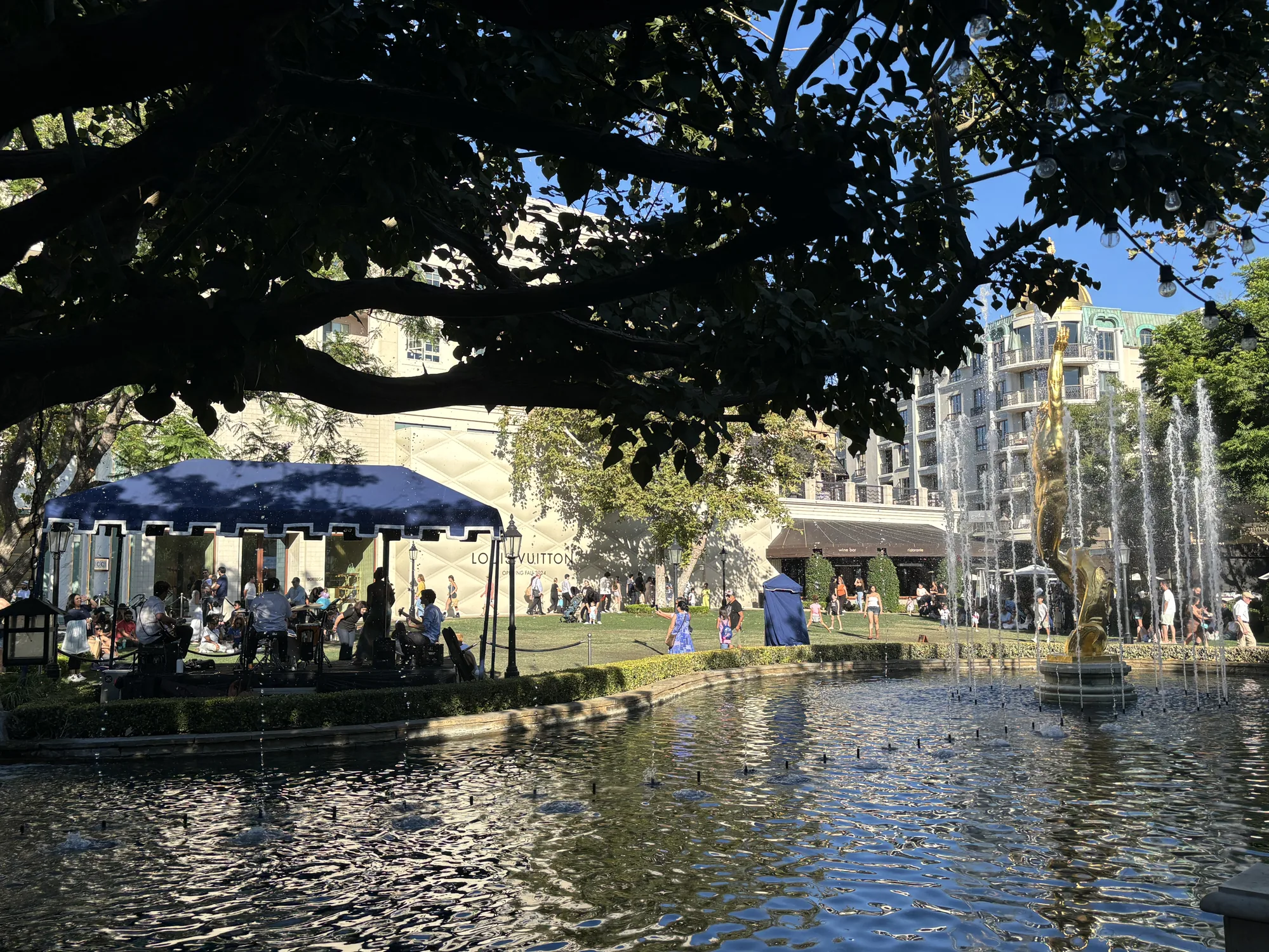
Downtown Glendale commercial streetscape with multi-story buildings and glass storefronts.

What We'll Ask For During Scoping

Roof access details, anchor and equipment records, and the owner's written safety information. None of this is needed to submit a request — you can share building documents when we follow up.

Request a High-Rise Review
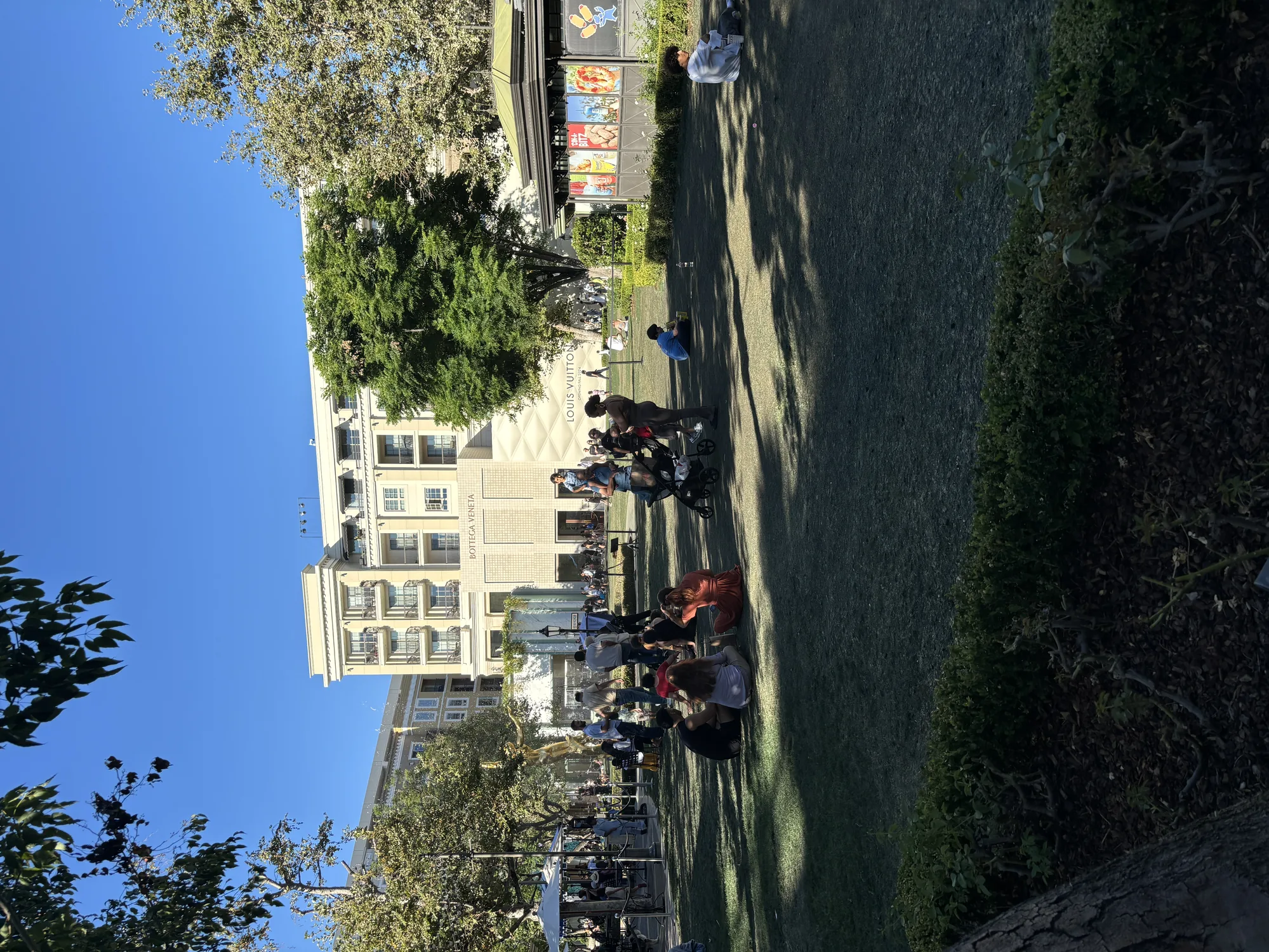
Street-level view of downtown Glendale mid-rise commercial buildings under a clear sky.

Recurring Programs, Tenant Notices & Weather

One-time, quarterly, semi-annual or annual exterior cleaning, with optional interior glass. Tenant and resident notices and weather holds are planned into every schedule, and scope, schedule and pricing are confirmed in writing.

Request a High-Rise Review

High Rise Window Cleaning In Glendale FAQs

Pricing is set in a written proposal after scoping. The main factors are the amount and type of glass, building height and shape, the access method the building supports, setup and rigging time, interior glass or added scope such as hard-water or construction residue, frequency, tenant and public-protection requirements, and any permits or scheduling limits. Recurring programs and multi-building scopes are priced on the same basis.

The building address, approximate stories, building type, and the scope and frequency you have in mind are enough to start. During scoping we may also ask for roof plans or elevations, details of installed roof equipment such as anchors, davits or a building maintenance unit, access and parking arrangements, operating hours, and any building rules for contractors. A site assessment is arranged where the building or scope needs one.

The method comes from a review of the building, its installed equipment and the site: facade design, height, setbacks, roof layout, whether anchors, davits or a building maintenance unit are present, and the ground conditions below. Depending on that review, the work may use rope descent, a suspended platform, the building’s own maintenance unit, an aerial lift or a water-fed pole, and some buildings use more than one method. The method is confirmed in the proposal.

Before any suspended work, we ask the owner for current information about the roof equipment the work will rely on, such as anchor and davit inspection or certification records, building maintenance unit documentation, roof plans and any written safety procedures for the building. The specific records required depend on the building and the access method and are confirmed during scoping. Records can be provided after you submit an inquiry.

Suspended work stops when wind, rain or other conditions make it unsafe. How weather delays are rescheduled and communicated is set out as a policy in the proposal, so property management and tenants know what to expect.

It depends on the property: location, exposure to traffic, dust, salt air or construction nearby, tenant expectations and budget. Many commercial buildings choose quarterly, semi-annual or annual exterior cleaning, with interior glass less often. A recommended frequency is given after scoping, not as a fixed rule.

Property managers can request certificates of insurance and, where required by contract and available under the policy, additional-insured endorsements for general liability or auto coverage. Workers’ compensation documentation is separate. Safety documentation may include a site-specific work/rescue plan and evidence of relevant crew training. Required documents and endorsements are confirmed during vendor onboarding and before work.