

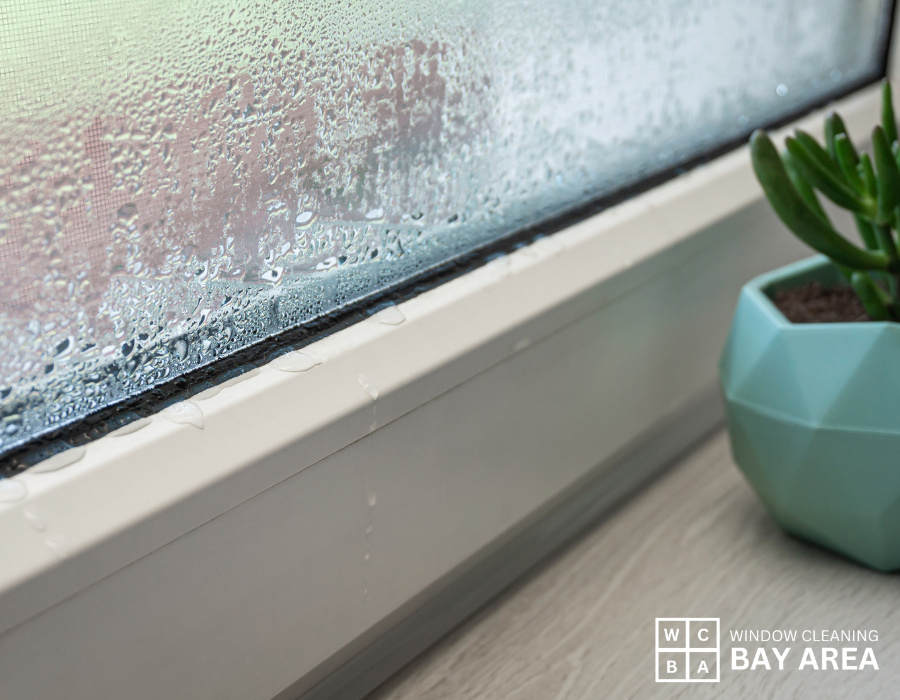
Seeing fog or condensation that looks like it’s trapped inside your window is frustrating. You can clean the glass, wipe it down, and it still looks cloudy. If the haze is truly between the panes of a double-pane window, it’s usually not a cleaning issue at all. It’s a sign the sealed glass unit has been compromised.
The good news is you can often confirm what’s happening with a simple test, and you’ll have a few realistic options to fix it. The not-so-good news is that “condensation between panes” typically doesn’t go away for good without repairing or replacing the sealed glass unit.
Confirm It's Actually Between The Panes
There are two very different problems homeowners describe as “condensation on my windows.” One is normal interior condensation that forms on the room-side surface of the glass when warm, moist indoor air hits a colder window. The other is fogging that appears to be inside the glass and doesn’t wipe off from the inside or the outside.
Condensation You Can Wipe Off Vs. Fogging Trapped Inside The Glass
If you can wipe the moisture away with a towel, it’s on the surface. That usually points to indoor humidity, cold glass, and not enough ventilation. It’s annoying, but it’s not the same thing as a failed window seal.
If the haze stays put after cleaning both sides of the window, and it looks like it’s floating inside the glass, the moisture is likely trapped between the panes. That’s what most homeowners mean by condensation between window panes.
A Quick Homeowner Test To Confirm It’s Between Panes
Pick a time when the glass is dry. Clean the inside glass surface normally, then clean the outside glass surface normally. Step back and look from different angles. If the cloudiness doesn’t change, it’s likely in the airspace between panes.
If you’re still unsure, look at the window early in the morning and again later in the afternoon. Fogging between panes often looks worse during temperature swings because the trapped moisture reacts to changing conditions inside that sealed space.
How Double-Pane Windows Are Built And Why The “Seal” Matters
Most modern residential windows use double-pane glass. Two panes are separated by a spacer around the perimeter, creating a sealed airspace. That sealed assembly is often called an insulated glass unit.
The perimeter seal is designed to keep moisture out of the airspace. When it’s intact, the space stays dry. Depending on the window, that space may also include an insulating gas to improve performance. The exact details vary by manufacturer, but the concept is consistent: the window is meant to be sealed.
When the seal is compromised, humid air can make its way into the airspace. Once moisture is inside, it can condense on the interior surfaces of the glass where you can’t reach it.
Why Seals Fail And Why The Fogging Comes And Goes
Homeowners often want one clear cause, like “bad installation” or “cheap windows.” Sometimes it is that simple, but many times it isn’t. Window seals live in the real world for years, dealing with sun, weather, vibration, and constant expansion and contraction from temperature changes.
Seal failure can result from age, manufacturing defects, physical stress, installation factors, or conditions that keep window edges wet for extended periods. It’s also common that you can’t prove one single cause without deeper inspection.
Why Temperature Swings Make It Look Worse Some Days Than Others
Early on, a window might look clear most of the time and then fog up during certain conditions. Cold mornings followed by warmer afternoons can trigger visible haze. Later, the fogging tends to become more frequent or more persistent.
What You Might See Over Time
At first you may see a light haze that comes and goes. Later you might see water droplets. Over time, trapped moisture can leave mineral deposits or a stubborn cloudy film inside the airspace. Once that staining forms, cleaning the surfaces won’t help because the residue is inside the glass unit.
Does A Fogged Window Mean You’re Losing Energy Efficiency?
A fogged window is always a visibility problem. Whether it’s also a comfort and efficiency problem depends on the home, the window, and how severe the seal failure is.
In general, once the airspace is compromised, the window is no longer performing as originally intended. Some homeowners notice drafts, colder spots, or changes in comfort. Others notice almost no difference beyond the cloudy look. Either way, the moisture issue usually worsens over time, so it’s worth planning for a real fix if it bothers you or if you’re trying to protect the long-term condition of the unit.

Can It Be Cleaned Or “Fixed” Without Replacing The Glass?
This is where expectations matter. If the fogging is truly between panes, normal window cleaning can’t remove it. The moisture is not on an accessible surface.
You may hear about defogging services that drill a tiny hole to vent moisture or apply treatments. These approaches can sometimes improve the appearance for a period of time, but they generally do not restore the original sealed performance of the insulated glass unit. If someone promises a permanent fix without replacing the sealed unit, ask what exactly is being restored and what warranty they provide on the result.
Your Realistic Options, From Least To Most Involved
1. Warranty Claim Path And How To Document The Problem
Start by seeing if the window is still under warranty. Coverage varies widely by manufacturer, age, and whether you’re the original owner. Look for a brand label on the frame, paperwork from your home purchase or remodel, or a small etching in the corner of the glass. Take photos of the fogging, note which windows are affected, and document when it’s most visible. This helps when you contact the manufacturer or the installer.
2. Glass-Only (IGU) Replacement When The Frame Is Still Solid
In many cases, you can replace the insulated glass unit while keeping the frame and sash. This is often the most cost-effective true fix when the rest of the window is in good condition and operates smoothly.
3. Sash Replacement When The System Requires It
Some windows are designed so the simplest repair is swapping the sash assembly that holds the glass, especially if the sash includes hardware or components that are also worn. This can be a clean solution when you want to fix the fogged glass and address operation issues at the same time.
4. Full Window Replacement When There Are Bigger Issues
Full replacement usually makes sense when the frame is failing, the window is drafty, the materials are warped or rotting, or there are multiple problems beyond the fogging. It’s also common if you’re upgrading for better overall efficiency, noise reduction, or a remodel.
When To Call A Pro Right Away
If you see signs of water intrusion around the window opening, don’t ignore it. Bubbling paint, stained drywall, soft wood trim, or recurring dampness can indicate water getting into the wall, which is a bigger concern than fogging inside the glass.
If the window is hard to open, sticks, or won’t lock, that can be a sign of swelling, warping, or hardware issues that may affect your repair options.
If the glass is cracked or chipped, avoid DIY handling. Glass work can be dangerous, and it’s easy to damage the sash or frame.
If your home was built before 1978 and the repair will disturb painted surfaces, make sure the contractor follows lead-safe practices. Window work can disturb old paint, and it’s worth doing the job the right way.

How To Reduce The Odds Of It Happening Again
You can’t fully prevent seals from aging, but you can reduce some of the conditions that put extra stress on window edges.
Keep drainage paths clear. Many windows have weep holes or channels designed to move water out of the frame area. If those are clogged, the lower edge can stay wet longer than intended.
Address chronic wetting issues. If sprinklers constantly hit the windows, gutters overflow above them, or exterior caulking is failing in a way that directs water toward the window edges, those patterns can contribute to long-term problems.
Treat windows gently. Avoid slamming, and fix hardware issues that cause the sash to rack or bind. Physical stress over years can contribute to loosening or distortion around sealing surfaces.
Frequently Asked Questions
Q: Is condensation between panes always a seal failure?
A: If the fogging is truly between the panes and can’t be wiped off from either side, a compromised insulated glass seal is the most common explanation for a typical residential double-pane window.
Q: Can I just reseal it myself?
A: In most cases, no. The failed seal is part of how the insulated glass unit is made. Surface caulking around the frame can help with exterior water management, but it doesn’t reseal the space between panes.
Q: Should I replace just one fogged window or all of them?
A: Many homeowners replace only the affected insulated glass units when the rest of the windows are in good shape. Replacing multiple windows at once makes sense if many are failing, the windows are very old, or you’re already planning a broader upgrade.
Q: Will the fogging damage the frame?
A: Fogging inside the insulated glass unit doesn’t automatically mean the frame is being damaged. The bigger concern is water intrusion around the opening. If you see staining, soft trim, or recurring dampness, that’s the situation to address quickly.
Q: If it clears up sometimes, can I ignore it?
A: Early seal failure often comes and goes with temperature changes, but it typically becomes more frequent over time. If it bothers you or you want to avoid internal staining, it’s worth planning for repair.
How Window Cleaning Bay Area Can Help
If you’re in the Bay Area, this issue can feel more noticeable during damp weather, morning marine layer near the coast, and big day-to-night temperature swings inland. Those conditions don’t necessarily cause seal failure by themselves, but they can make trapped moisture show up more often and more visibly.
Window Cleaning Bay Area can help you confirm what you’re seeing during a routine service visit, especially when it’s not clear whether it’s a cleaning issue, indoor humidity, or fogging inside the glass. If it looks like a failed seal, we can point you toward the right next step.
For repair or replacement work, we can coordinate with our trusted local partner, Argonaut Window & Door, to help you explore options like insulated unit replacement, sash replacement, or broader window solutions depending on what makes sense for your home.
Conclusion
Condensation between window panes is usually a sign the sealed glass unit has failed, not something you can clean off. Start by confirming the fogging is truly inside the glass, then decide whether a warranty claim, glass-only replacement, sash replacement, or full window replacement is the best fit based on the age and condition of your windows.
If you’re in the Bay Area and want help confirming what you’re seeing or you’d like to bundle window cleaning and exterior maintenance while you plan next steps, request an online estimate.