.png)
If your solar output seems lower than it used to be, it’s tempting to assume the panels are “dirty” and that cleaning will fix everything. Sometimes cleaning helps. Other times, the bigger drivers are shade changes, heat, smoke haze, or a system issue that cleaning won’t touch.
In California, the best approach is to think like a diagnostician. Confirm what kind of drop you’re seeing, understand what’s normal, and then choose the fix that matches the cause.
The Truth About Low Output
Why Your Output Changes Even When Nothing Is “Wrong”
Solar production is not a flat line. It changes with seasons, weather, temperature, and day length. In summer, you may get long days but also hotter panel temperatures, which can reduce efficiency even on clear days. In spring, you may see strong sun but also pollen and wind that adds a fine film to panels.
This is why a single low day usually isn’t meaningful. What matters is a sustained trend during clear weather, compared to your system’s recent normal.
The Difference Between A Dirty Panel Problem And A Sunlight Problem
Sometimes panels are fine and the sky is the issue. California wildfire smoke and haze can reduce the sunlight reaching panels and cut solar generation even when the panels are clean. During major smoke events, California has seen significant drops in solar generation because smoke blocks sunlight.
Other times, it’s the opposite. The sky is clear, but the panels have localized soiling, pollen film, dust, or bird droppings that reduce how much light reaches the cells.
The Biggest Output Killers In California
Shade Creep From Trees And New Obstructions
One of the most common long-term output reducers is shade that gradually increases over time. Tree growth, new fencing, additions, or even a neighbor’s landscaping can change how much direct sun hits your array during peak hours.
Shade is often a bigger deal than homeowners expect because one shaded portion of an array can reduce production more than the shaded area suggests, depending on system design.
Inverter And System Alerts Homeowners Miss
A surprising number of “low output” situations come down to the system not operating normally. Many homeowners have monitoring but don’t check it unless something feels off. If your monitoring shows errors, offline periods, or unusual dips during clear weather, that’s a reason to involve a qualified solar professional rather than focusing on cleaning.
PG&E’s guidance emphasizes safety and using licensed professionals for maintenance and inspections, especially if performance is dropping.
Heat Effects In Summer And Why It’s Normal
California summers can be brutally sunny, but high heat can reduce panel efficiency compared to cooler days with the same sun intensity. Homeowners often see this as “something changed,” when it may simply be the normal temperature behavior of solar modules.
If your output is lower during a heat wave but returns when temperatures ease, cleaning won’t change much.
Soiling From Dust, Pollen, Coastal Salt, And Bird Droppings
Soiling is real, and California has several common contributors: spring pollen film, summer dust, coastal salt residue, and bird activity. Soiling reduces the amount of light reaching the cells, and the effect varies by location and conditions.
A key point is that soiling is not uniform. A light dusting across the array may have a small impact, while bird droppings or patchy buildup can cause more noticeable localized loss.
Wildfire Smoke And Haze Reducing Sunlight
Smoke season is its own category because it reduces solar production by reducing sunlight, regardless of whether panels are clean. Studies and grid data from major wildfire periods show that smoke can significantly reduce solar generation during peak hours.
That doesn’t mean cleaning is pointless. It means you should separate “the sky is darker” from “the panels are blocked.” During smoke events, even perfectly clean panels won’t produce like they do in clear air.
.png)
Is Solar Panel Cleaning Worth It In California?
What Research Suggests About Typical Soiling Losses
A widely cited UC San Diego study found that during a summer drought period in California, panels that weren’t cleaned or rained on for 145 days lost 7.4% efficiency, and the economic gain from washing a typical 5 kW residential system midway through summer was relatively small.
That doesn’t mean cleaning never matters. It means the benefit depends heavily on your specific conditions, and you shouldn’t assume a dramatic improvement just because you schedule a cleaning.
When Cleaning Makes A Noticeable Difference
Cleaning is more likely to help when you have obvious visible soiling, consistent bird droppings, long dry stretches without rain, low-tilt panels that don’t self-rinse as easily, nearby construction or dusty corridors, or heavy seasonal pollen that films over glass surfaces.
In these situations, cleaning can be a practical way to restore performance and keep the array looking clean, especially if the soiling is patchy and persistent.
When Cleaning Might Barely Change Anything
If you have frequent rain that rinses panels, a steeper tilt, minimal dust exposure, and no significant bird activity, cleaning may produce only a modest change. This is common in many residential neighborhoods where panels look “a little dusty” but not genuinely dirty.
This is where monitoring helps. If your clear-weather production is normal for your system and season, cleaning may be more of a cosmetic choice than a performance necessity.
Performance Value Versus Visual And Inspection Value
Even when performance gains are modest, homeowners still choose cleaning for other reasons. Clean panels look better, and a routine cleaning is a great moment to notice obvious problems early, like cracked glass, heavy bird nesting, unusual debris patterns, or anything that suggests a roofline or gutter issue nearby.
PG&E also suggests periodic inspection and emphasizes using licensed professionals, especially if productivity is decreasing.
How To Tell If Cleaning Will Help Your Home
What To Look For On The Panels
If you can safely see your panels from the ground, look for visible dust film, uneven patches, bird droppings, leaves, or debris that sits in corners. Patchy soiling is often a bigger clue than uniform light dust, because patchy buildup can create hotspots of loss.
If you can’t see them well, don’t turn it into a roof-access project. That’s exactly the situation where professional service makes sense.
A Simple Clear-Weather Check Using Your Monitoring App
The most useful homeowner test is comparing production on clear days. If your monitoring shows a sustained drop during clear weather that doesn’t match your seasonal pattern, you may have either a soiling issue, shade creep, or a system issue.
If you see alerts, dropouts, or abnormal behavior, treat it as a “call a solar pro” scenario rather than assuming it’s just dirt. PG&E specifically points homeowners to licensed professionals for cleaning, inspections, and maintenance.
The Homes That Usually Benefit Most In California
In California, the homes that tend to benefit most are those with long dry stretches, dusty exposure, significant pollen seasons, coastal salt air influence, or regular bird activity. If you’re near the coast, you may see a film that isn’t dramatic day-to-day but accumulates over time. Inland, you may see more dust and pollen impacts, especially in windy corridors.
What Not To Do
Why DIY Roof Access Is The Biggest Risk
The most dangerous part of solar cleaning is getting to the panels. Roofs, ladders, and wet surfaces are where injuries happen. PG&E’s guidance is direct about personal safety and recommends licensed professionals for cleaning and maintenance if it isn’t safe.
If you’re not fully confident with roof access and fall risk, don’t “give it a shot” for the sake of cleaning glass.
Why Abrasives, Harsh Chemicals, And Aggressive Rinsing Are A Bad Idea
Solar modules are durable, but they’re not meant to be scrubbed with abrasive pads or blasted aggressively. You can scratch surfaces, damage seals, or create problems at wiring and junction points if you treat panels like a driveway.
If you’re going to clean panels, the goal is a controlled, gentle method that prioritizes safety and protects the system.
What To Do Instead If You Suspect A System Problem
If your monitoring shows errors, or you see a sustained clear-day drop that doesn’t match a soiling pattern, cleaning is not the first move. That’s a service call to a qualified solar contractor. You’re protecting the system and your warranty by getting the right specialist for electrical and equipment issues.
Other “Easy Wins” That Improve Output
Trim Or Manage Shade The Right Way
If shade has changed since installation, trimming or managing it can be one of the highest-impact improvements. The key is doing it thoughtfully and safely, and remembering that shade patterns shift throughout the year, not just at noon in summer.
Watch For Performance Drops During Clear Weather
Your monitoring app is your early warning system. If you look at it occasionally during clear weather, you’ll catch trends early and avoid months of reduced production due to an easily fixed issue.
Schedule Periodic Inspections When Output Trends Down
If performance is dropping and you can’t explain it with weather, smoke, or obvious soiling, an inspection is often the smartest next step. PG&E suggests inspections on a periodic cadence or when you notice a significant clear-weather drop, and stresses using licensed professionals.
How Window Cleaning Bay Area Can Help
Bay Area Conditions That Cause Real-World Soiling
In the Bay Area, soiling often shows up as spring pollen film, summer dust, and coastal salt haze in shoreline communities. Windy days can also add fine debris that doesn’t always rinse off evenly, especially during long dry stretches.
If your panels look visibly dirty, have bird droppings, or you’re seeing a clear-weather performance dip that suggests soiling, a professional cleaning can be a practical way to reset the system and improve appearance.
Our Solar Panel Cleaning Approach And What We Do Not Service
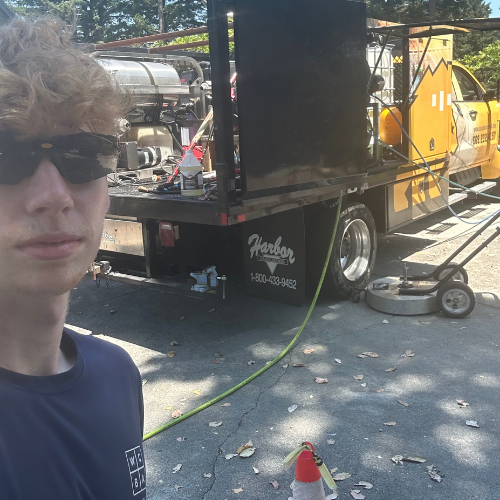
Window Cleaning Bay Area provides solar panel cleaning with a safety-first approach designed for real homes, not risky DIY. We focus on careful access, gentle cleaning methods, and leaving panels looking clean without aggressive techniques.
We clean panels and help homeowners rule out “soiling” as the cause of lower production. We do not service electrical components, inverters, or system wiring. If your monitoring shows alerts or the drop looks like a system issue, we’ll recommend you contact a qualified solar contractor.
Conclusion
Improving solar output in California starts with identifying the real cause. Sometimes it’s soiling that a professional cleaning can address. Other times it’s shade growth, heat effects, or wildfire smoke, and the right move is monitoring, trimming shade, or calling a solar professional for inspection.