
Cobwebs make a house look neglected fast, especially around eaves, corners, light fixtures, and trim lines. The problem is that a lot of “quick fixes” can accidentally do more harm than good, like stripping paint, forcing water into gaps, or leaving streaky runoff that looks worse than the webs did.
This guide explains a safe, paint-friendly way to remove cobwebs and loose exterior dust without turning it into a pressure-washing project. It also explains when it’s smarter to hand it off to a professional soft wash so you get a clean finish without risking damage.
Why Cobwebs Are So Hard To Remove From Painted Surfaces
Cobwebs cling to textured paint, rough siding, and small crevices because they’re designed to stick and catch debris. Over time, they hold dust and pollen, which is why older webs look gray, stringy, and “smeared” instead of cleanly wiping away. If you only hit them with water at the wrong angle, they can stretch, break apart, and reattach in a way that looks even messier after it dries.
The Biggest Mistake Homeowners Make
The most common mistake is trying to blast cobwebs off with high pressure. It feels efficient, but it can lift paint, damage caulk lines, rough up wood, and push water behind trim and into small gaps. Once water gets into places it shouldn’t, you can end up with peeling paint, swelling wood, or recurring moisture issues that don’t show up until later.
A Paint-Safe Method For Removing Cobwebs
Cobweb removal works best when you treat it as a gentle, controlled process instead of a “power” process.
First, focus on control and direction. Cobwebs come off cleaner when you work from the top down and guide them away from the surface rather than driving them into vents, cracks, and corners. If the webs are heavy and built up, starting with gentle dry removal is often the safest way to prevent smearing and reduce how much water you need.
Next, use a low-pressure rinse to finish. A controlled rinse helps clear the fine strands and loose dust without beating up paint or forcing water into seams. The goal isn’t to “cut” the surface with pressure. The goal is to loosen and remove what’s sitting on top of the home.
Finally, be mindful of runoff. Even if you aren’t using chemicals, wash water can carry dirt and debris. Many California municipalities and stormwater programs warn against letting wash water enter storm drains and recommend blocking storm drains and directing water appropriately when wet cleaning is necessary.
What To Avoid If You’re Trying Not To Damage Paint
Avoid spraying straight into edges, laps, vents, and trim joints. Those are the spots where water intrusion is most likely. Avoid holding a spray in one place long enough to “dig” at the paint. And avoid turning the job into an all-day soak where water is constantly running down the same sections, because that’s how you end up with drip lines and uneven drying patterns that show up after the surface dries.
If you’re unsure whether the paint is already fragile, chalky, or failing, don’t treat cobweb removal as the moment to test your luck. Older paint can lift more easily, and once it’s lifted, it can’t be unraveled.
Where Cobwebs Come Back The Fastest
Most homes see the same repeat areas: under eaves, around porch corners, near exterior lighting, around garage door frames, and around landscaping that creates sheltered corners and airflow patterns. The webs come back faster when bugs are attracted to light and when wind-blown debris collects in the same spots.
A practical expectation is that cobwebs are a maintenance item, not a one-time permanent fix. You can reduce how fast they build up, but you can’t eliminate spiders or webs forever.
How Our Soft Washing Service Handles Cobwebs And Loose Dirt
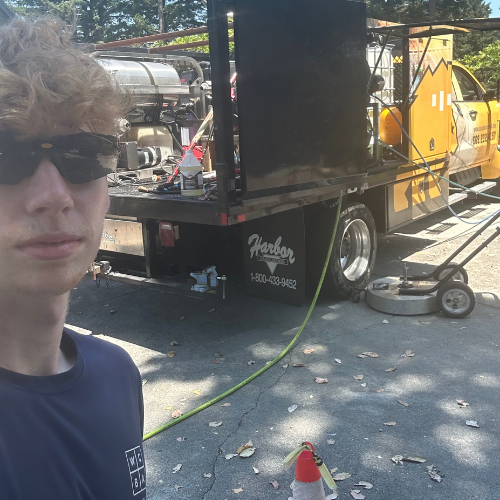
For homeowners who want it handled quickly and safely, our soft washing approach is designed specifically for light exterior buildup like loose dirt, dust, and cobwebs on siding, trim, and eaves. We keep it gentle so we’re not damaging paint or forcing water into gaps, and we focus on controlled rinsing and thorough cleanup.
We also keep stormwater responsibility in mind. Local guidance commonly emphasizes that wash water should not enter storm drains and that even “non-toxic” wash water can carry pollutants once it picks up grime from surfaces.
Because you mentioned your preference, we can position this service clearly as a chemical-free exterior rinse intended for loose debris and cobweb removal, not as a chemical treatment for organic staining. That keeps expectations clean and the service simple.
What Happens If You Ignore Cobweb Buildup Over Time
Cobwebs themselves won’t usually “damage” paint, but they make the home look dingy, and they trap dust and pollen that can make corners and trim lines look permanently dirty from a distance. The longer they sit, the more they collect debris, and the more likely you are to end up scrubbing aggressively just to get the surface back to looking normal.
If you keep trying to remove heavy webs with aggressive pressure, that’s when the real long-term problems show up. Paint can start lifting, edges can start failing sooner, and small gaps can become recurring trouble spots because they were repeatedly soaked or sprayed into.
When It’s Worth Calling A Pro
If the cobwebs are on second-story eaves, over steep landscaping, above stairwells, or anywhere you’d need to overreach on a ladder, it’s usually not worth the risk. It’s also worth getting help if you’ve tried once and the area looked worse after it dried, because that’s a sign the method didn’t match the surface or the runoff wasn’t controlled.
Request A Fast Quote
If you want cobwebs and loose exterior buildup removed without damaging paint, we can help. Request a fast quote and we’ll follow up by text to grab the address and a couple details so we can estimate quickly and schedule the right approach.